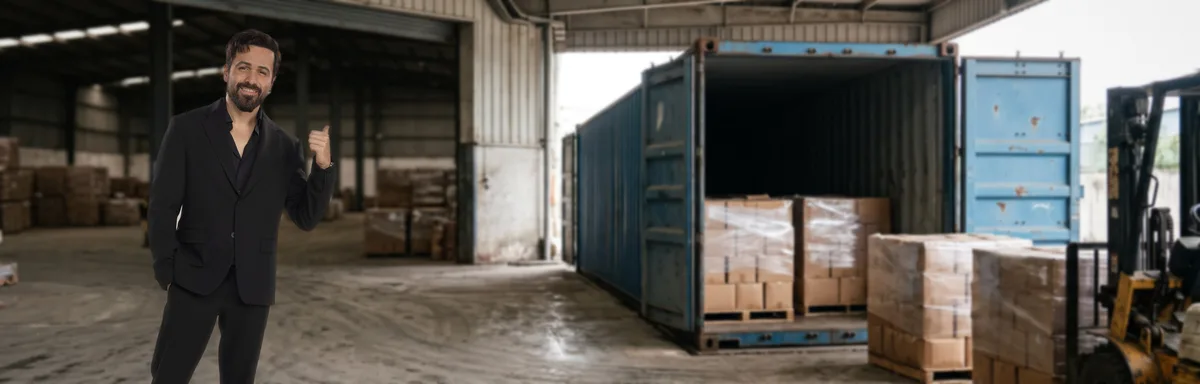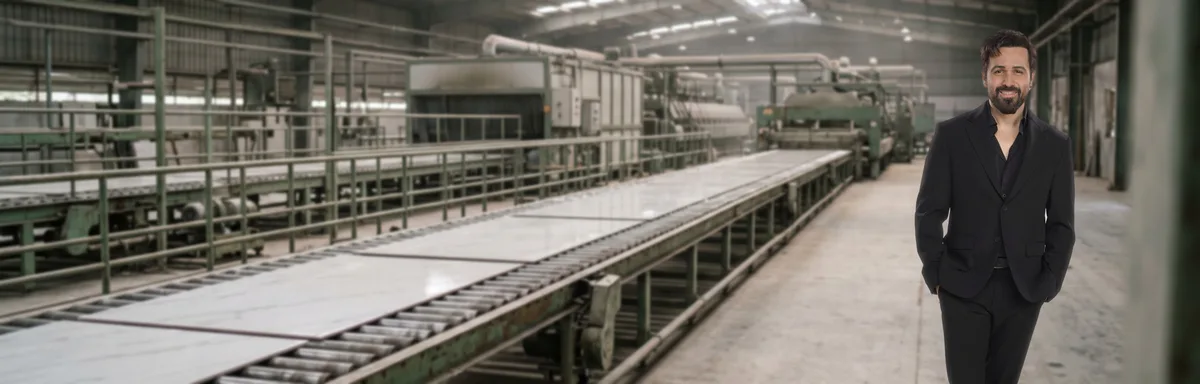
Finding the best tile manufacturer in India for wholesale tile supply requires more than comparing product prices or browsing attractive tile designs. Wholesale buyers need a manufacturing partner that can provide consistent quality, dependable production capacity, competitive quotations, and reliable deliveries across repeated orders. Whether you supply building material retailers, manage construction projects, distribute tiles to dealers, or import products for an international market, choosing the right manufacturer can directly influence your margins and customer satisfaction.
India has an established ceramic tile manufacturing industry, with Morbi in Gujarat serving as a major production and trading hub. Buyers can explore a wide selection of ceramic tiles, porcelain tiles, vitrified tiles, wall tiles, floor tiles, and decorative surfaces from Indian suppliers. However, not every manufacturer is equally suited to every wholesale requirement. The right choice depends on your target market, required specifications, order volume, quality expectations, logistics, and long-term supply plans.
This guide explains how to evaluate Indian tile manufacturers, compare wholesale suppliers, assess product quality, and make a more informed sourcing decision before placing a bulk order.
Why Choose an Indian Tile Manufacturer for Wholesale Supply?
India can be an attractive sourcing destination for wholesale tile buyers because manufacturers offer a broad mix of designs, formats, finishes, and product categories. Depending on the factory and its capabilities, buyers may be able to source products for residential developments, commercial buildings, retail distribution, hospitality projects, and renovation work from one supplier or a coordinated group of manufacturers.
The benefits of sourcing directly from a manufacturer depend on the factory's production capabilities, commercial terms, and ability to meet your requirements. A direct manufacturing relationship can make it easier to discuss specifications, request samples, plan repeat orders, and understand how products are made. Nevertheless, buyers should verify these advantages individually rather than assume that every factory offers the same pricing, flexibility, or service.
Access to a Broad Range of Tile Products
Wholesale buyers often need more than one tile category to serve their customers. Indian manufacturers may offer different product collections and technical specifications, allowing distributors and project buyers to evaluate several options through a single sourcing relationship.
Common categories include:
Porcelain tiles: Suitable for applications where the specified product's technical characteristics meet the project requirements.
Ceramic wall tiles: Commonly considered for interior wall applications, subject to the product specification.
Ceramic floor tiles: Options for selected indoor flooring applications where the manufacturer's ratings are appropriate.
Vitrified tiles: Products manufactured to meet particular requirements for flooring and other specified applications.
Decorative and designer tiles: Collections featuring patterns, textures, colours, and visual effects for feature areas.
Large-format tiles: Larger dimensions that may be suitable for selected residential and commercial projects.
The availability of each category, size, finish, and design varies by manufacturer. Confirm the actual product catalogue and technical documentation before finalising your purchase.
Potential Advantages of Direct Factory Sourcing
Buying directly from a factory may give wholesale customers a clearer route to discussing bulk quantities, production schedules, product specifications, and repeat orders. It can also help buyers understand which products are standard catalogue items and which require special production arrangements.
Before assuming that factory-direct purchasing will reduce your total cost, compare the complete quotation. Packaging, inland transportation, export documentation, freight, insurance, customs charges, taxes, and local delivery can significantly affect the final landed cost.
How to Identify the Best Tile Manufacturer in India
The best manufacturer is not necessarily the largest factory or the supplier with the lowest quoted price. It is the manufacturer whose products, production capacity, quality controls, communication, and delivery arrangements match your business requirements.
Start by defining the type of tiles you intend to purchase, the destination market, expected order volume, and technical requirements. You can then shortlist suppliers against consistent criteria instead of making decisions based only on catalogue images or sales presentations.
Evaluate Manufacturing Capability and Product Range
A supplier's catalogue provides an initial indication of its product offering, but it does not establish whether the factory can fulfil your order reliably. Ask for details about the specific production facility, available product lines, standard sizes, finishes, packaging arrangements, and production lead times.
If your business requires recurring shipments, check whether the manufacturer can support replenishment orders and maintain the agreed product specifications over time. If you need private-label packaging, custom branding, or specific carton information, confirm these arrangements before signing off on the order.
Check Quality Assurance and Technical Documentation
Tile quality should be assessed against the intended application and the requirements of the destination market. Ask for product technical data, applicable test reports, relevant certifications, and written specifications for the selected product.
Depending on the tile type and intended use, useful evaluation points may include water absorption, dimensions, thickness, surface finish, breaking strength, slip-related performance where applicable, and resistance characteristics relevant to the project.
Do not treat a general company certificate as proof that every product in its catalogue meets your requirements. Verify that the documentation relates to the actual product, production specification, and relevant testing standard.
Review Communication and Export Readiness
Wholesale relationships often involve decisions about samples, artwork, order confirmation, production updates, packing lists, shipping documents, and after-sales issues. Clear communication helps reduce misunderstandings throughout the procurement process.
Ask the supplier to explain its order-confirmation process, quality inspection arrangements, packaging standards, shipment planning, and procedure for handling shortages or damaged goods. For international purchases, confirm which export documents the supplier can provide and which responsibilities fall to the buyer or freight forwarder.
Wholesale sourcing tip: Shortlist several manufacturers, request comparable quotations, and evaluate samples before committing to a large order. This gives you a more reliable basis for comparing price, product suitability, and supply capability.
Major Tile Manufacturing Hub in India: Morbi, Gujarat
Morbi is widely recognised as a major ceramic manufacturing cluster in Gujarat. Buyers researching Indian tile suppliers frequently explore this region because it brings together numerous ceramic businesses, product collections, and manufacturing-related services.
However, a manufacturing cluster is not a substitute for factory-level due diligence. Companies within the same region may differ in their equipment, production specialisation, quality systems, commercial terms, export experience, and ability to meet a particular buyer's specifications.
What Wholesale Buyers Should Evaluate in Morbi
When comparing manufacturers in Morbi, look beyond showroom displays and product photographs. A supplier may present a broad catalogue while manufacturing only a portion of the products itself, so it is important to understand who will actually produce the goods.
Questions to ask include:
Is the quoted product manufactured at the supplier's own facility or sourced from another factory?
Which sizes, finishes, and product specifications are regularly produced?
What are the minimum order quantities for standard and special products?
Can the supplier provide samples and product-specific technical documentation?
How does the factory check dimensions, appearance, and packaging before dispatch?
What production lead time should be expected for the requested quantity?
Can the supplier support repeat orders with the same approved specification?
Where practical, arrange a factory visit or an independent inspection. If an in-person visit is not feasible, request a live video walkthrough, documentation, recent production images, and a clear explanation of the inspection process.
Choosing Between a Manufacturer and a Trading Company
Both manufacturers and trading companies can serve wholesale buyers, but their roles may differ. A manufacturer may offer more direct visibility into production, while a trading company may consolidate products from multiple factories or simplify communication across several product categories.
| Evaluation factor | Direct manufacturer | Trading company |
|---|---|---|
| Production visibility | Potentially more direct; verify factory access. | Depends on supplier relationships and transparency. |
| Product selection | May focus on its own production capabilities. | May offer products from multiple factories. |
| Custom specifications | Depends on equipment and production flexibility. | Depends on the factories used. |
| Order coordination | Direct factory communication may be possible. | One contact may coordinate several suppliers. |
| Quality responsibility | Must be defined in the purchase agreement. | Must be defined across the supplier and producer. |
| Best fit | Buyers prioritising factory-level engagement. | Buyers prioritising product consolidation or sourcing support. |
Neither option is automatically better. Evaluate the supplier's actual capabilities, accountability, and terms against your business needs.
Ceramic Tiles vs. Porcelain Tiles: Which Should You Buy in Bulk?
Before requesting wholesale quotations, identify the type of tile suitable for your intended application. Ceramic and porcelain tiles can differ in composition, manufacturing characteristics, water absorption, performance, price, and installation requirements. The correct selection depends on the product's verified specifications rather than its appearance alone.
For distributors, builders, and importers, choosing the right category also affects inventory planning. A product that is appropriate for an interior wall may not meet the requirements of a particular floor, wet area, exterior space, or commercial installation. Confirm suitability with the manufacturer's technical documentation and the project's applicable standards.
Key Differences to Consider
| Factor | Ceramic tiles | Porcelain tiles |
|---|---|---|
| Typical sourcing consideration | Evaluate the intended wall or floor application | Evaluate the specific performance requirements and application |
| Water absorption | Verify the product's tested value | Verify that the product meets the relevant porcelain classification |
| Product range | Available in various colours, patterns, and finishes | Available in various colours, patterns, sizes, and finishes |
| Wholesale pricing | Depends on design, dimensions, finish, and quality | Depends on specifications, size, finish, and manufacturing complexity |
| Technical checks | Confirm application suitability and relevant test data | Confirm application suitability and relevant test data |
| Best buying approach | Match the product to the intended use | Match the product to the intended use and required performance |
Avoid selecting products solely by their labels. Confirm classification and performance against the applicable product standard and request evidence for the exact tile being purchased.
How to Choose the Right Product for Your Market
Your target customers and destination market should guide your product selection. A distributor supplying residential projects may need different sizes, finishes, and price points from a contractor purchasing for a commercial development.
Before placing an order, establish:
The intended application, such as a wall, indoor floor, or other specified surface.
The required dimensions, thickness, finish, colour, and design.
The technical performance and testing requirements.
The expected retail or project price range.
The packaging, labelling, and compliance requirements of the destination market.
The expected sales volume and replenishment frequency.
These details help manufacturers quote more accurately and reduce the likelihood of ordering products that do not meet your customers' requirements.
How to Compare Wholesale Tile Prices from Indian Manufacturers
Wholesale price comparisons are meaningful only when the quotations cover equivalent products and commercial terms. Two tiles may look similar in photographs but differ in dimensions, thickness, finish, specifications, quality consistency, or packaging. Comparing their unit prices without checking these details can produce misleading results.
Ask each shortlisted supplier to quote against the same product brief. Include the requested quantity, product specification, packaging requirements, destination, delivery terms, and any inspection or documentation requirements. Where several designs are involved, request a separate price for each product rather than relying on one general rate.
What Influences Bulk Tile Pricing?
Several factors can affect a wholesale quotation:
Tile dimensions and thickness: Different formats and specifications can have different production and handling costs.
Surface finish and design: Special finishes, decorative effects, and complex designs may influence pricing.
Order quantity: The price and production arrangement may depend on the size of the order and the manufacturer's minimum quantity.
Packaging requirements: Carton specifications, protective materials, pallets, and labelling can affect the total.
Quality and technical specifications: Testing, selection criteria, and required performance can influence product costs.
Transportation and delivery terms: Freight, handling, insurance, and delivery arrangements change the final purchase cost.
Currency and payment terms: Exchange-rate movements, banking charges, and payment arrangements may affect the buyer's total expense.
Calculate the Landed Cost Before Placing an Order
For importers and wholesale distributors, the supplier's ex-factory or export quotation is only one part of the total cost. Calculate the landed cost to understand how much the shipment will cost once it reaches the agreed destination.
A practical calculation is:
Landed cost per sellable unit = Total shipment cost ÷ Total sellable units received
The total shipment cost may include the product invoice, packaging charges, inland transportation, freight, insurance, customs duties, import taxes, clearance fees, inspection costs, and final delivery, as applicable. Deduct or separately account for recoverable taxes where appropriate to your accounting treatment.
Also account for damaged or unsellable stock, sample costs, financing costs, and currency conversion where relevant. Verify applicable customs charges and import rules for your destination before finalising the purchase.
Buyer action: Request a written quotation with the product specification, quantity, packaging, delivery terms, lead time, payment schedule, and quote-validity period clearly stated. This makes supplier comparisons more dependable.
Quality Inspection Checklist for Bulk Tile Orders
Quality inspection is essential when purchasing tiles in large quantities. A small difference in dimensions, shade, surface appearance, or carton labelling can become a significant problem across a large shipment. It may also lead to installation delays, customer complaints, rework, or replacement expenses.
Agree on inspection requirements before production begins. The purchase agreement should identify the approved product, relevant specifications, acceptable quality criteria, sampling or inspection method, and process for resolving non-conforming goods. Where necessary, use a qualified independent inspection provider familiar with ceramic tile products.
What to Check Before Dispatch
1. Product identity and specifications
Confirm that the tile type, dimensions, thickness, finish, design, and other agreed characteristics match the purchase order and approved sample.
2. Appearance and shade
Inspect for visible defects and verify shade consistency against the agreed acceptance criteria. Natural-looking patterns and intentionally varied designs may have planned variation, so define what is acceptable for the specific product.
3. Dimensions and surface quality
Check relevant dimensional tolerances, edge condition, flatness, and surface finish according to the applicable specification. Do not rely on visual inspection alone when technical measurements are required.
4. Performance documentation
Review product-specific test reports and other applicable documentation for the intended use. Confirm that the reports identify the correct product and relevant testing method.
5. Packaging and identification
Check carton strength, protective packing, product identification, quantity, batch or shade information where applicable, and the consistency of carton labels with shipping documents.
6. Shipment quantity and records
Verify quantities, pallet or package counts, and required shipping records before dispatch. Photograph the inspection findings and retain the approved sample and final inspection documentation.
Why Batch Consistency Matters
A sample can look acceptable while a later production batch differs in shade, dimensions, or surface appearance. To reduce this risk, ask the manufacturer to explain how production batches are identified, how variation is checked, and how approved specifications are carried forward into repeat orders.
For recurring wholesale purchases, keep records of product codes, approved samples, production batches, inspection results, and customer feedback. These records make it easier to compare repeat shipments and investigate discrepancies.
Minimum Order Quantity, Lead Time, and Shipping
Minimum order quantities and production lead times vary by manufacturer, product, order size, and whether the goods are standard stock or made to order. Do not assume that every design is available for immediate dispatch or that one supplier's minimum quantity applies to its entire catalogue.
Before confirming a purchase, ask the supplier to distinguish sample availability, standard production quantities, special-order requirements, and repeat-order conditions. Obtain realistic lead-time estimates and clarify when the production schedule begins—for example, after advance payment, final artwork approval, sample sign-off, or another agreed milestone.
Questions to Ask About MOQ and Production
What is the minimum order quantity for each selected product?
Can multiple designs or sizes be combined in one order?
Are mixed shades or production batches permitted?
What is the estimated production period for the requested volume?
How much notice is required for repeat orders?
What happens if production or dispatch is delayed?
When will the goods be ready for inspection and collection?
Plan Shipping and Documentation Early
For export shipments, coordinate with the manufacturer, freight forwarder, customs broker, and relevant parties before production is complete. Confirm the agreed delivery term, port or delivery location, packing requirements, shipment dimensions and weight, documentation responsibilities, and estimated transit arrangements.
Depending on the transaction and destination, required documents may include a commercial invoice, packing list, transport document, certificate of origin where applicable, and product or compliance documents required by the importing country. The precise requirements depend on the shipment and destination, so verify them with the appropriate customs or trade professionals.
Do not finalise the purchase solely on the basis of a quoted freight rate. Confirm the scope of the quotation, including handling, port charges, insurance, customs clearance, duties, taxes, and final delivery where applicable.
Common Mistakes to Avoid When Choosing a Wholesale Tile Supplier
A low quotation can appear attractive, especially when buying large quantities, but sourcing decisions should consider the full commercial and operational picture. Problems can arise when buyers approve products without checking samples, assume that all specifications are identical, or fail to document what the supplier has agreed to deliver.
A structured procurement process helps reduce avoidable risks. Keep the product brief, quotation, approved sample, purchase order, inspection criteria, and shipping arrangements aligned so that all parties are working from the same requirements.
Mistakes That Can Increase Sourcing Costs
Choosing only by price: A lower price may not represent equivalent specifications, packaging, quality control, or delivery terms.
Ordering without checking samples: Catalogue photographs cannot establish the actual finish, shade, or surface characteristics.
Ignoring technical suitability: Confirm that the tile meets the requirements of its intended application.
Assuming every product is factory-made: Establish whether the seller is the actual manufacturer or a trading intermediary.
Overlooking repeat-order consistency: Discuss batch identification and the process for reproducing an approved product.
Leaving inspection until too late: Agree on inspection timing, criteria, and corrective-action procedures before production.
Ignoring destination-market requirements: Verify import rules, labelling, and product compliance obligations before shipment.
Failing to define responsibilities: Put product specifications, quantities, delivery terms, payment milestones, and non-conformance procedures in writing.
How to Build a Long-Term Wholesale Relationship with an Indian Tile Manufacturer
For distributors, importers, and construction suppliers, the goal should be to establish a dependable sourcing relationship rather than complete a single purchase at the lowest possible price. A suitable manufacturer should be able to communicate clearly, provide the agreed product specification, support realistic delivery planning, and explain how quality issues will be handled.
Start with a manageable order where commercially practical, establish a clear inspection process, and assess the supplier's performance against agreed criteria. Once the supplier has demonstrated that it can meet your requirements, discuss forecast demand, replenishment schedules, additional product ranges, and opportunities to streamline repeat purchasing.
Steps to Strengthen Your Supplier Relationship
Share an accurate forecast: Provide expected order volumes and timelines without promising quantities that your business cannot support.
Standardise product specifications: Use consistent product codes, written specifications, and approved samples.
Agree on quality expectations: Define inspection criteria and the procedure for addressing defects or discrepancies.
Review delivery performance: Record actual production and shipment dates against agreed schedules.
Maintain transparent communication: Confirm changes to quantities, specifications, packaging, and delivery arrangements in writing.
Evaluate total commercial value: Consider consistency, service, landed cost, and reliability alongside the unit price.
Next step: Prepare a product and purchasing brief before approaching manufacturers. Include tile categories, sizes, finishes, target quantity, destination market, technical requirements, packaging needs, and preferred delivery timeline. Sharing the same brief with every shortlisted supplier will help you compare their offers on a like-for-like basis.
Conclusion
Choosing the best tile manufacturer in India for wholesale tile supply involves evaluating product suitability, manufacturing capability, quality assurance, pricing, delivery reliability, and commercial transparency. India's tile manufacturing industry, including the Morbi cluster, offers wholesale buyers a range of potential sourcing opportunities. However, the right supplier is the one that can meet your documented specifications and support your business requirements—not simply the company offering the largest catalogue or lowest initial quotation.
Before placing a bulk order, prepare a clear product brief, compare quotations on equivalent terms, request samples, verify technical documentation, and agree on inspection and delivery responsibilities. Calculate the landed cost for your destination and confirm the supplier's ability to support future orders. A careful sourcing process can help distributors, importers, builders, and project buyers reduce procurement uncertainty and develop more dependable long-term supply relationships.
Questions
Frequently Asked Questions
Which is the best tile manufacturer in India for wholesale tile supply?
The best tile manufacturer depends on the products you need, your target market, order volume, quality standards, and delivery requirements. Start by shortlisting suppliers that manufacture the relevant tile category and can provide product-specific specifications, samples, and clear commercial terms. Compare their production capabilities, quality assurance, export readiness, and landed cost before selecting a partner. Verify the actual manufacturing facility and assess the supplier against your own documented requirements rather than relying only on promotional claims.
Why do wholesale buyers source tiles from Morbi, Gujarat?
Morbi is a major ceramic manufacturing hub in India and is frequently considered by buyers looking for a broad selection of ceramic products and suppliers. Its manufacturing ecosystem can make it a useful location for researching different product categories and comparing quotations. However, businesses in the region can differ in product specialisation, factory capabilities, quality controls, and export experience. Buyers should assess individual suppliers, request samples, confirm technical documentation, and verify production arrangements before placing a wholesale order.
Is buying directly from a tile manufacturer cheaper than buying from a distributor?
Buying directly from a manufacturer may reduce some intermediary costs, but it does not automatically guarantee the lowest overall purchase price. Minimum quantities, packaging, freight, payment terms, production lead times, and inspection costs can affect the final amount. A distributor or trading company may offer advantages such as consolidated product sourcing or simpler order coordination. Compare equivalent product specifications and calculate the complete landed cost before deciding which sourcing arrangement provides the best commercial value.
What should I check before placing a bulk tile order?
Before ordering, verify the product type, dimensions, finish, technical specifications, price, quantity, packaging, production lead time, and delivery terms. Request a physical sample and product-specific documentation, and establish how the production batch will be checked against the approved specification. For larger or higher-risk orders, agree on an inspection process before dispatch. Also verify payment milestones, responsibilities for shortages or damaged goods, required import documentation, and any destination-market compliance obligations before making a financial commitment.
How can I verify the quality of tiles supplied by an Indian manufacturer?
Begin with an approved sample and the manufacturer's technical documentation for the exact product you intend to purchase. Check the characteristics relevant to its application, which may include water absorption, dimensions, thickness, surface appearance, and other specified performance properties. Where appropriate, review applicable test reports and arrange a qualified inspection. Ensure that inspection criteria and acceptable variation are documented before production. Keep records of product codes, batch information, findings, and photographs so that the delivered shipment can be compared with the agreed requirements.
What minimum order quantity should I expect from an Indian tile manufacturer?
There is no single minimum order quantity that applies to every Indian tile manufacturer or product. The required quantity may vary according to tile size, design, finish, production arrangements, packaging, and whether the product is regularly stocked or made to order. Ask for the MOQ for each selected product and confirm whether mixed designs can be combined. Also establish the production lead time, payment requirements, and any conditions for repeat orders. Obtain these details in writing before committing to a purchase.
How can international buyers calculate the total cost of importing tiles from India?
International buyers should consider the product invoice alongside applicable packaging charges, inland transport, freight, insurance, customs duties, import taxes, clearance fees, inspection expenses, and final delivery. The actual components depend on the delivery terms and destination country's regulations. Buyers should also consider currency conversion, financing, and potential losses from damaged or unsellable goods. Divide the relevant total cost by the number of sellable units received to estimate the landed cost per unit, and confirm applicable charges with a freight forwarder or customs professional.
What documents should I request from a tile manufacturer before exporting or importing tiles?
The documents required depend on the product, destination, transaction terms, and applicable regulations. Common commercial and shipping records may include a pro forma invoice, final commercial invoice, packing list, and transport document. A certificate of origin or product-specific technical and compliance documents may also be needed in particular circumstances. Ask the supplier which documents it can provide and verify destination-specific requirements with your customs broker or relevant authority. Confirm that document details, quantities, product descriptions, and shipment information match the purchase order.